Portable Power Station With Solar Panel: The NZ Buyer’s Guide:
The lights go out during a winter storm, the fridge ticks off, and your phone is on 12%. Or you’re three days into a freedom-camping trip and the chilly bin’s running warm. A portable power station with solar panel solves both — it’s a quiet battery box that runs your gear, then refills itself from the sun instead of petrol or a wall socket. This guide walks you through how they work, how to size one, and what actually matters when you’re buying in New Zealand.
What a portable power station with solar panel actually is
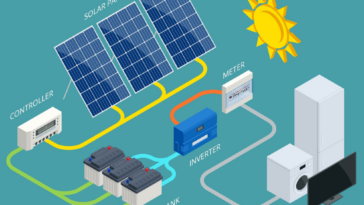
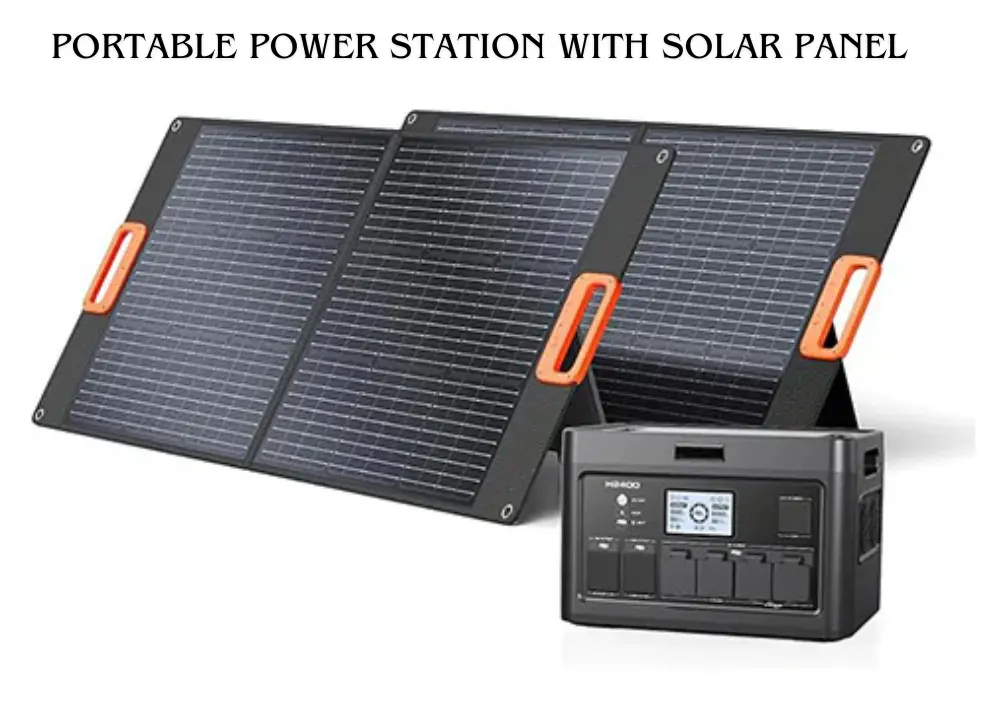
A portable power station with solar panel is a rechargeable battery in a carry case with normal sockets on the side — 230V outlets, USB ports, sometimes a 12V plug. Pair it with a foldable solar panel and it tops itself up off-grid. Think of it as a big, silent power bank for your whole campsite or a backup for your home.
Unlike a petrol generator, there’s no fuel, no fumes, no pull-cord, and almost no noise. You can run it inside a tent or a garage without ventilation worries. The trade-off is that a battery holds a fixed amount of energy, so sizing it correctly matters more than with a generator you can just keep refuelling.
How it works: the three numbers that matter
Ignore the marketing badges. Three specs decide whether a unit suits you: watt-hours (how much you store), watts (what you can run at once), and solar input (how fast it refills). Get these right and everything else is detail.
Watt-hours (Wh): how much you store
Watt-hours measure capacity — your fuel tank. A 500Wh station can, in theory, run a 50W device for about 10 hours (500 ÷ 50). In the real world you lose 10–15% to heat and conversion, so plan for a bit less than the label suggests.
Quick mental model: bigger Wh = longer runtime, but also more weight and a higher price.
Watts (W): what you can run at once
Watts measure output — how much you can power simultaneously. A unit rated 600W continuous won’t run a 1800W jug, full stop. Two numbers appear on the spec sheet:
- Continuous (running) watts — what it sustains all day.
- Surge (peak) watts — a brief spike it tolerates when a motor or compressor kicks in.
High-draw heating appliances — jugs, kettles, hair dryers, toasters, fan heaters — are the usual culprits that trip smaller stations. Fridges, laptops, lights, and phones are easy.
Solar input and MPPT: how fast it refills
Solar input is the maximum panel wattage a station accepts, and MPPT (Maximum Power Point Tracking) is the charge controller that squeezes the most out of your panels in changing light. A 200W panel feeding an MPPT unit recharges far faster than the same panel on a basic controller — especially under patchy NZ cloud.
Real-world recharge is always slower than the maths. Panel angle, cloud, and temperature all eat into it, so treat “X hours to full” claims as best-case.
Battery chemistry: LiFePO4 vs NMC
For most NZ buyers, LiFePO4 (lithium iron phosphate) is the better chemistry. It lasts far longer over its life, handles heat more safely, and holds up to daily cycling. NMC (the chemistry in many older or budget units) is lighter and often cheaper, but wears out sooner.
Here’s the honest split:
- LiFePO4 pros: long cycle life (often rated for thousands of charges), better thermal stability, holds value for years of regular use.
- LiFePO4 cons: heavier and usually pricier up front.
- NMC pros: lighter, lower entry price, fine for occasional use.
- NMC cons: shorter lifespan, more sensitive to heat.
How to size one for your needs
Sizing isn’t guesswork. List what you’ll run, multiply each device’s watts by the hours you’ll use it, add it up, then add 20% headroom for losses. That total, in watt-hours, is the minimum capacity you should buy.
Worked example — a weekend off-grid:
| Device | Watts | Hours/day | Watt-hours/day |
| 12V fridge | 45W | 8 (cycling) | 360 |
| LED lights | 10W | 5 | 50 |
| Phone charging ×2 | 12W | 3 | 36 |
| Laptop | 60W | 2 | 120 |
| Daily total | ~566Wh |
For a single off-grid night that’s roughly a 600Wh+ unit; for a full weekend without much sun, you’d want more capacity or a solar panel large enough to recharge during the day.
A simple rule: size for your daily use, then let solar stretch the days.
Capacity tiers compared
Stations roughly fall into three tiers. Small units handle phones and lights; mid-size (around 500–1000Wh) covers most camping and short outages; large units back up fridges and tools for longer. Match the tier to your heaviest realistic day, not your best-case one.
| Tier | Capacity | Best for | Runs | Weight (typical) | Solar recharge | Price band |
| Small | ~200–350Wh | Day trips, phone/laptop top-ups | Phones, lights, small USB gear | Light (~3–5kg) | A few hours | Entry |
| Mid (incl. 500Wh rechargeable solar generator) | ~500–1000Wh | Weekend camping, short power cuts | Fridge, lights, devices, small appliances | Moderate (~6–12kg) | Most of a sunny day | Mid |
| Large | 1000Wh+ | Off-grid stays, home backup, tradies | Fridge + tools + multiple devices | Heavy (12kg+) | Needs bigger panels | Premium |
Real NZ use cases
Camping and freedom camping
A mid-size station keeps the chilly bin cold, charges phones and a camera, and runs lights — silently, which matters at a packed DOC site. Pair it with a folding panel and you can stay out longer. Note that freedom-camping rules vary by council, but a self-contained, fume-free power source is far friendlier than a petrol genset.
The bach or off-grid weekend
For a bach with no mains, a 1000Wh+ unit plus a decent panel covers lights, fridge, and devices across a weekend. You charge by day, draw by night.
Power-cut backup at home
When the lines go down, a Portable Power Station With Solar Panel bridges the gap: fridge, modem, phones, a couple of lamps, maybe a CPAP machine. It won’t run your whole house, but it keeps the essentials alive and it switches on instantly, no fuel run required.
Tradies and worksites
On a site without power, a LiFePO4 station runs chargers, lights, and lower-draw tools through the day, then recharges by solar or van. Check the surge rating against your highest-draw tool before relying on it.
Pairing the right solar panel
Match your panel to the station’s solar input, and buy more panel than you think you need — NZ cloud robs you of output. As a rough guide, a 100–200W panel suits a mid-size station; a 1000Wh+ unit wants 200W or more to recharge meaningfully in a day.
Things to weigh up:
- Foldable vs rigid. Foldable panels pack down for camping; rigid panels suit a fixed bach or roof install.
- Wattage match. The panel’s rating should sit within the station’s max solar input — too little is slow, too much is wasted (or refused).
- Weatherproofing. Look for a decent IP rating if it’ll live outdoors.
- Realistic expectations. Even a good panel makes a fraction of its rated output on a grey day, so plan around partial charging, not full.
Pros and cons: the honest version
Solar-plus-battery genuinely beats a petrol generator for most home and camping use — but not every job. Here’s where it wins and where it doesn’t.
Pros
- Silent and fume-free; safe to use in tents, sheds, and indoors.
- No fuel to buy, store, or run out of.
- Recharges from sun, wall, or car.
- Low maintenance; LiFePO4 units last for years.
- Instant power for outages — no setup.
Cons
- Fixed capacity; you can’t “refuel” instantly like petrol.
- High-draw heating appliances (jugs, heaters) need a large, costly unit.
- Solar recharge is weather-dependent.
- Bigger units are heavy to carry.
- Higher up-front cost than a cheap generator.
If you need to run heavy power tools or heating all day in any weather, a generator may still suit. For quiet, clean, set-and-forget power, the solar combo wins.
What to check before you buy in NZ
Before you commit, confirm the unit is built for New Zealand conditions and supported locally. The big ones: NZ plug and voltage, warranty length, and whether there’s local stock and support if something goes wrong.
- 230V / 50Hz output and NZ (Type I) sockets — so your appliances plug straight in.
- Warranty and local support — longer cover signals confidence; local service saves shipping a heavy unit overseas. warranty & support page]
- Battery chemistry — confirm LiFePO4 if you want longevity.
- IP / weather rating — especially for panels and outdoor use.
- Real weight — be honest about what you’ll actually carry from the car.
- Continuous and surge watts — check both against your appliances.
Ready to find the right one?
The best unit is the smallest one that comfortably covers your heaviest day — anything bigger is weight and money you don’t need. Work out your daily watt-hours, match a panel to it, and check it’s NZ-ready.
FAQs
Can a portable power station run a fridge?
Yes — a 12V camping fridge is easy, and a mid-size (500–1000Wh) station can run one for a day or more. A full-size home fridge needs a larger unit with enough surge watts to handle the compressor kicking in. Check both continuous and surge ratings.
How long does it take to charge by solar in New Zealand?
It depends on panel size, cloud, and the season. On a clear day, a well-matched panel can refill a mid-size station in roughly a day of sun; under heavy cloud, expect much slower charging. Treat manufacturer “hours to full” figures as best-case.
Is 500Wh enough for camping?
For a weekend of phones, lights, and a small fridge, a 500Wh unit paired with a solar panel is often enough — the panel tops it up by day so you’re not relying on storage alone. For longer trips or higher loads, step up to 1000Wh+.
Can I use one during a power cut?
Yes. A power station switches on instantly and can run your fridge, modem, phones, and lights through an outage. It won’t power a whole house, but it keeps the essentials going with no fuel and no noise.
What’s the difference between a solar generator and a portable power station?
They’re mostly the same thing. “Solar generator” usually means a portable power station bundled with (or designed for) solar panels. There’s no engine — it’s a battery, not a fuel-burning generator.
LiFePO4 or NMC — which should I choose?
For regular use, LiFePO4: it lasts far longer and handles heat better. NMC is lighter and cheaper, which can suit an occasional emergency kit. If in doubt, LiFePO4 is the safer long-term buy.
How do I size a unit for my needs?
Add up each device’s watts × hours of use per day, then add about 20% for losses. That watt-hour total is your minimum capacity. Let solar recharging extend how many days you can stay off-grid.